Vivo Vision Mixed Reality Headset: Complete Technical Analysis and Market Impact Assessment
Revolutionary Design Philosophy Behind Vivo Vision Discovery Edition
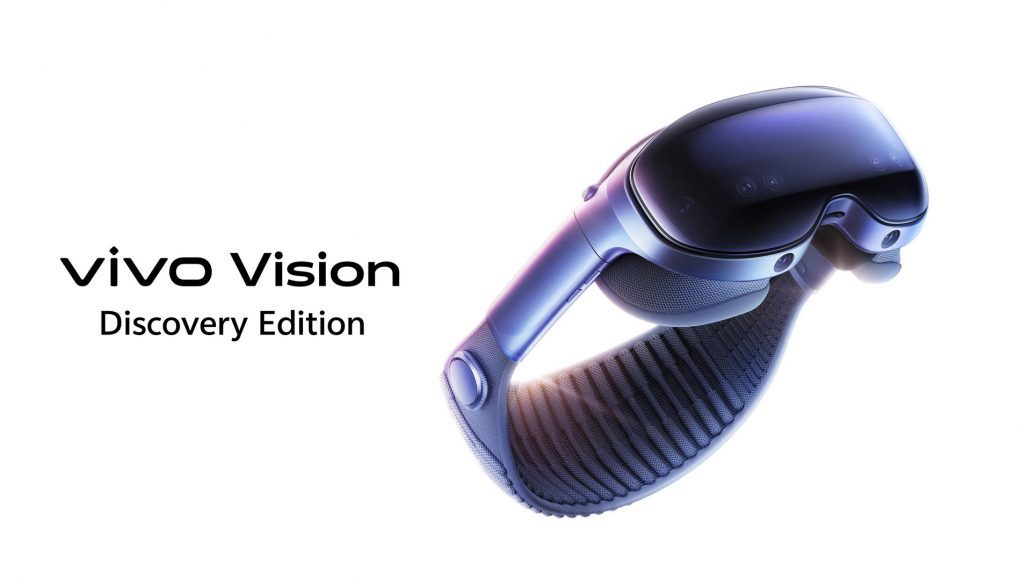
Vivo’s entrance into the mixed reality market represents a calculated strategic move to challenge Apple’s dominance in premium XR devices. The Vivo Vision Discovery Edition emerges as a compelling alternative that addresses two critical pain points of the Apple Vision Pro: excessive weight and prohibitive pricing. Through innovative engineering and strategic component selection, Vivo has achieved a remarkable 398-gram device weight, representing a substantial 33% reduction compared to Apple’s 600-gram Vision Pro.
The Chinese technology giant has demonstrated exceptional manufacturing prowess by creating a headset that measures just 83mm in height and 40mm in thickness. These dimensions translate to a device that is 26% smaller than the current industry average, fundamentally reshaping user expectations for mixed reality form factors. This achievement becomes particularly significant when considering the comprehensive feature set packed within this compact design envelope.
We observe that Vivo has strategically positioned the Vision as a direct competitor to Apple’s offering while maintaining distinct advantages in portability and accessibility. The engineering team has successfully integrated advanced micro-OLED technology, sophisticated tracking systems, and powerful processing capabilities within a substantially lighter framework than competing devices.
Advanced Display Technology and Visual Performance Specifications
Micro-OLED Display System Architecture
The Vivo Vision incorporates dual micro-OLED displays delivering exceptional visual fidelity through 8K binocular resolution. This display configuration surpasses many current-generation VR headsets in pixel density and color reproduction capabilities. The implementation of micro-OLED technology enables superior contrast ratios, deeper blacks, and more vibrant colors compared to traditional LCD panels found in lower-tier devices.
Color accuracy becomes paramount in mixed reality applications, particularly for professional and creative use cases. Vivo has achieved DeltaE values below 2, indicating color reproduction that matches professional monitor standards. This specification ensures that digital content appears with remarkable accuracy, supporting applications ranging from architectural visualization to medical training simulations.
Professional-Grade Color Calibration Systems
The Vision’s display system incorporates 94% DCI-P3 color coverage, positioning it within professional cinema display territory. This wide color gamut support enables accurate reproduction of high-dynamic-range content and ensures compatibility with professional workflows. The binocular brightness difference remains below 2 nits, eliminating the visual discomfort often associated with display inconsistencies between left and right eye panels.
Binocular chromaticity difference measurements below ΔE 2 demonstrate Vivo’s commitment to eliminating color matching issues that plague many consumer VR devices. These specifications indicate extensive factory calibration processes that ensure consistent visual experiences across all manufactured units.
Snapdragon XR2+ Gen 2 Processing Power Analysis
Computational Performance Benchmarks
The Qualcomm Snapdragon XR2+ Gen 2 chipset represents a significant advancement in mobile XR processing capabilities. With 2.5x GPU performance improvements over the previous generation, the Vision can handle sophisticated 3D rendering tasks and complex mixed reality applications without compromising visual quality or frame rates. This performance increase enables support for higher-resolution textures, more complex lighting calculations, and smoother animation sequences.
AI performance improvements of 8x over the previous generation unlock advanced machine learning capabilities directly within the headset. This processing power supports real-time object recognition, intelligent scene understanding, and adaptive user interface optimizations. Enhanced AI capabilities enable more sophisticated hand tracking algorithms, improved gesture recognition accuracy, and intelligent content recommendations based on user behavior patterns.
Thermal Management and Power Efficiency
The integration of advanced silicon manufacturing processes within the Snapdragon XR2+ Gen 2 delivers improved power efficiency while maintaining high performance standards. Efficient thermal management becomes critical in lightweight headset designs where traditional cooling solutions may not be feasible. Vivo’s engineering team has optimized heat dissipation through strategic component placement and advanced materials selection.
Power consumption optimization directly impacts battery life and user comfort during extended sessions. The XR2+ Gen 2’s improved efficiency characteristics enable longer operational periods while maintaining consistent performance levels throughout usage sessions.
Advanced Tracking Systems and Input Technologies
Precision Eye Tracking Implementation
The Vision incorporates 1.5-degree high-precision eye tracking, enabling accurate gaze-based interactions and foveated rendering optimizations. This tracking accuracy supports natural user interfaces where users can select objects, navigate menus, and interact with virtual elements through eye movements alone. Precision eye tracking also enables advanced rendering optimizations that allocate GPU resources primarily to areas where users are actively looking.
Foveated rendering techniques supported by accurate eye tracking can improve overall system performance by reducing computational requirements for peripheral vision areas. This optimization allows for higher-quality rendering in central vision areas while maintaining acceptable performance standards across the entire field of view.
Advanced Hand and Gesture Recognition
The 26 degrees of freedom fingertip recognition system represents a comprehensive approach to hand tracking that extends beyond basic gesture recognition. This advanced tracking capability enables precise finger positioning detection, supporting applications that require fine motor control simulation such as virtual piano playing, surgical training, or detailed 3D modeling tasks.
The 175-degree vertical tracking range ensures comprehensive hand detection across natural movement patterns. Users can interact with virtual objects positioned above, below, and around their natural resting hand positions without losing tracking accuracy. This extended tracking range supports more natural interaction paradigms and reduces the need for users to maintain artificial hand positions.
OriginOS Vision Operating System Analysis
Custom Operating System Advantages
Vivo’s decision to develop OriginOS Vision as a custom operating system rather than adopting Android XR demonstrates significant strategic investment in long-term platform control. Custom operating systems enable deeper hardware integration, optimized performance characteristics, and unique user experience differentiation that distinguishes the Vision from Android XR-based competitors.
Platform-specific optimizations become possible through custom OS development, including specialized memory management routines, custom graphics pipelines, and hardware-specific driver optimizations. These improvements can result in better performance, reduced latency, and enhanced user experience compared to generic operating system implementations.
Ecosystem Integration Opportunities
OriginOS Vision’s custom architecture enables seamless integration with Vivo’s existing smartphone ecosystem and services. Users can expect enhanced connectivity features, synchronized content libraries, and cross-device continuity features that leverage Vivo’s broader product portfolio. This ecosystem approach mirrors Apple’s strategy while potentially offering more open integration with third-party services and applications.
Comprehensive Comfort Engineering Solutions
Modular Fit System Implementation
The Vision’s four light seal options and eight foam padding configurations demonstrate Vivo’s commitment to addressing individual anatomical variations. This modular approach ensures optimal fit across diverse facial structures while maintaining light exclusion effectiveness and comfort during extended use sessions. Proper fit becomes critical for mixed reality devices where comfort directly impacts user adoption and session duration.
Customizable padding systems enable users to optimize pressure distribution across contact points, reducing fatigue and discomfort during extended use. The availability of multiple padding options suggests extensive ergonomic research and user testing throughout the development process.
Weight Distribution Optimization
The 398-gram total weight represents careful component placement and materials selection to achieve optimal weight distribution across the user’s head. Proper weight balance reduces neck strain and enables comfortable extended use sessions that are essential for professional and entertainment applications.
Advanced materials engineering likely contributes to the overall weight reduction while maintaining structural integrity and durability standards. The balance between weight reduction and build quality requires sophisticated engineering compromises that appear successfully implemented in the Vision’s design.
Market Positioning and Competitive Analysis
Pricing Strategy and Market Accessibility
The anticipated ¥10,000 (~$1,400) price point positions the Vivo Vision as a premium yet accessible alternative to Apple’s $3,500 Vision Pro. This pricing strategy targets professional users, enthusiasts, and early adopters who seek advanced mixed reality capabilities without the extreme cost barrier of Apple’s offering. The price-to-performance ratio appears highly competitive when considering the comprehensive feature set and advanced specifications.
Market accessibility improvements through strategic pricing can significantly expand the potential user base for mixed reality technologies. Lower entry costs enable broader adoption across educational institutions, small businesses, and individual consumers who previously considered premium MR devices financially prohibitive.
Geographic Market Strategy
The initial China-only release strategy reflects both regulatory considerations and market testing approaches. China’s large technology-savvy consumer base provides an excellent testing ground for mixed reality technologies while enabling Vivo to refine the product based on real-world usage patterns before potential international expansion.
Domestic market focus also allows Vivo to optimize OriginOS Vision for local content preferences, language requirements, and application ecosystems that may differ significantly from international markets. This localization approach can provide competitive advantages in the crucial Chinese market while establishing a foundation for future global expansion.
Professional Applications and Use Cases
Enterprise and Business Implementation
The Vision’s professional-grade display specifications and lightweight design make it suitable for various enterprise applications including architectural visualization, product design reviews, training simulations, and remote collaboration scenarios. The 8K resolution and accurate color reproduction support detailed CAD model reviews and technical documentation visualization that require precision and clarity.
Advanced hand tracking capabilities enable natural interaction with complex 3D models and virtual interfaces without requiring additional input devices. This interaction paradigm reduces training requirements and enables more intuitive workflows for professional users who may not have extensive VR experience.
Educational and Training Applications
Mixed reality technologies offer significant advantages in educational environments where traditional methods may be insufficient for complex concept visualization. The Vision’s lightweight design and comprehensive tracking systems support extended learning sessions without user fatigue while enabling interactive educational content that adapts to individual learning styles.
Medical training applications benefit particularly from accurate hand tracking and high-resolution displays that enable detailed anatomical visualization and surgical procedure simulation. The combination of visual fidelity and precise interaction capabilities creates learning environments that closely approximate real-world scenarios.
Technical Specifications Comprehensive Breakdown
| Specification Category | Vivo Vision Discovery Edition | Industry Comparison |
|---|---|---|
| Weight | 398g | 33% lighter than Vision Pro |
| Dimensions | 83mm × 40mm | 26% smaller than average |
| Display Technology | Dual Micro-OLED | Premium tier technology |
| Resolution | 8K Binocular | Leading specification |
| Color Coverage | 94% DCI-P3 | Professional monitor grade |
| Eye Tracking Precision | 1.5° | High-precision implementation |
| Hand Tracking DOF | 26 degrees of freedom | Comprehensive finger tracking |
| Chipset | Snapdragon XR2+ Gen 2 | Latest generation XR processor |
| Operating System | OriginOS Vision | Custom platform implementation |
Future Development Roadmap and Market Implications
Technology Evolution Predictions
The Vision’s current specifications establish a foundation for future iterations that may incorporate even more advanced display technologies, improved processing capabilities, and enhanced tracking systems. The modular design approach suggests potential for hardware upgrades and component improvements without requiring complete device replacement.
Software platform development through OriginOS Vision creates opportunities for continuous feature expansion and capability enhancement through over-the-air updates. This approach enables the device to improve over time and adapt to changing user requirements and emerging applications.
Industry Impact Assessment
Vivo’s entry into the mixed reality market with competitive specifications and accessible pricing creates pressure on established players to reconsider their positioning strategies. The combination of advanced features and lower costs may accelerate overall market adoption by removing traditional barriers to entry.
The success of the Vision could influence other manufacturers to prioritize weight reduction and pricing optimization while maintaining feature completeness. This competitive pressure benefits consumers through improved product options and accelerated technological advancement across the entire mixed reality ecosystem.
Conclusion and Market Outlook
The Vivo Vision Discovery Edition represents a significant advancement in mixed reality technology accessibility and performance optimization. Through careful engineering and strategic component selection, Vivo has created a device that challenges established market leaders while offering compelling advantages in weight, pricing, and comprehensive feature implementation.
The combination of professional-grade display technology, advanced tracking systems, powerful processing capabilities, and thoughtful ergonomic design positions the Vision as a serious contender in the premium mixed reality market. The custom OriginOS Vision platform provides opportunities for unique user experiences and ecosystem integration that differentiate the device from Android XR-based alternatives.
Market success will ultimately depend on software ecosystem development, content availability, and user adoption rates in the crucial Chinese market. However, the technical specifications and positioning strategy suggest strong potential for market impact and continued development of competitive mixed reality technologies that benefit consumers through improved options and accelerated innovation cycles.