Transform Photos into 3D Model Videos: Complete Guide Using Gemini Nano Banana and Advanced AI Tools
Introduction to AI-Powered 3D Video Creation
The revolutionary Nano Banana tool from Google DeepMind, officially known as Gemini 2.5 Flash Image, has transformed how we create stunning 3D figurines and animated videos from ordinary photographs. This comprehensive guide explores advanced techniques for converting static images into dynamic 3D model videos using cutting-edge artificial intelligence tools.
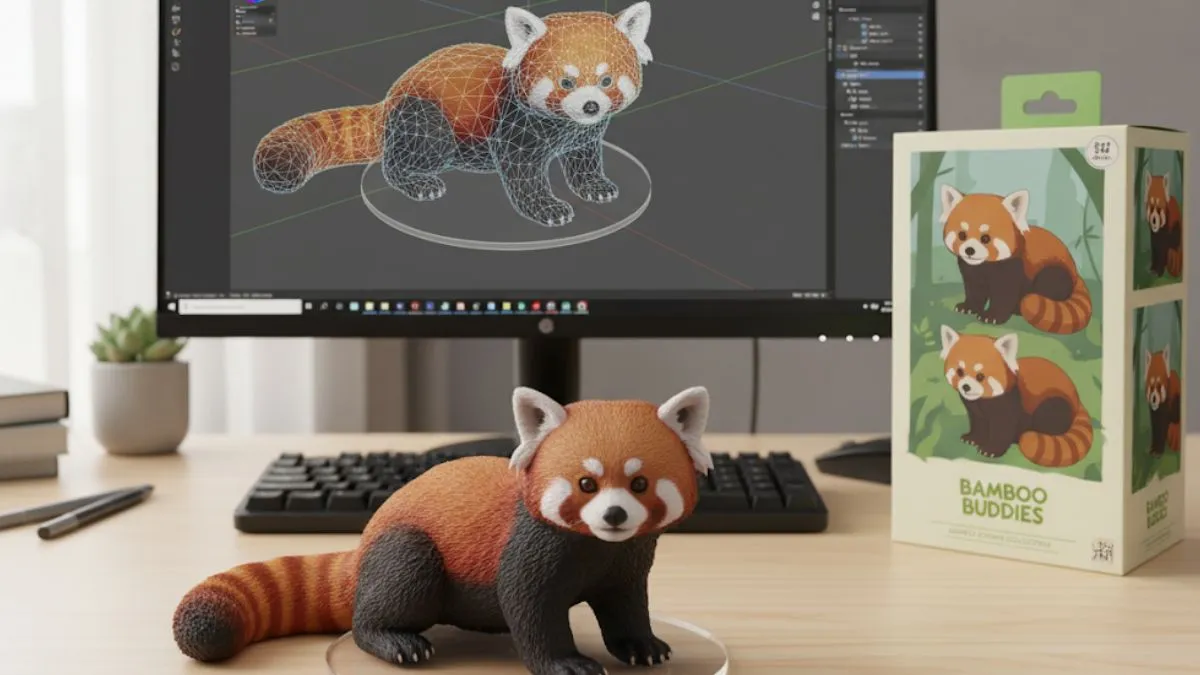
We demonstrate step-by-step methodologies that leverage the latest AI innovations to produce professional-quality 3D animations suitable for social media, marketing campaigns, and creative projects. The viral AI 3D Figure trend has captivated millions, offering creators the ability to generate lifelike figures and animate them in seconds.
Understanding Gemini Nano Banana Technology
Core Features and Capabilities
The Gemini app now incorporates a sophisticated image editing model from Google DeepMind, specifically designed to maintain consistent likeness when editing photos of people and pets. This breakthrough technology enables unprecedented precision in 3D model generation from 2D source materials.
Gemini’s conversational image processing capabilities allow users to generate and manipulate images through text prompts, supporting text-to-image generation, image editing with text instructions, and multi-image composition for style transfer. The system excels in creating high-quality visuals from simple or complex descriptions while maintaining photorealistic accuracy.
Technical Architecture
The underlying neural network architecture combines advanced computer vision algorithms with generative AI models. Gemini 2.5 Flash Image benefits from Gemini’s extensive world knowledge, unlocking innovative use cases including interactive educational applications and sophisticated image manipulation tasks.
Step-by-Step 3D Model Creation Process
Phase 1: Photo Preparation and Upload
Begin by selecting high-quality source photographs with clear subject definition and optimal lighting conditions. The image should feature:
- Sharp focus on the primary subject
- Minimal background distractions
- Adequate resolution (minimum 1024×1024 pixels)
- Proper exposure without overblown highlights
Navigate to gemini.google and upload your prepared images. The platform provides an intuitive interface where users can start with simple formulas like “Create/generate an image of [subject] [action] [scene]” and build from there.
Phase 2: AI-Powered 3D Transformation
Utilize specific prompt engineering techniques to achieve optimal 3D model generation. Effective prompts follow this structure:
"Create a detailed 3D figurine of [subject description] in [pose/action] with [material/texture specifications] against [background preference]"
The AI system processes your input photograph and prompt simultaneously, analyzing facial features, body proportions, clothing details, and environmental context to generate a comprehensive 3D representation.
Phase 3: Refinement and Enhancement
The new Google DeepMind image editing model provides enhanced creative control for blending and editing photos, enabling users to:
- Adjust lighting and shadow effects
- Modify textures and surface materials
- Alter pose and positioning
- Customize background environments
- Fine-tune color grading and contrast
Advanced Animation Techniques
Motion Capture Integration
Advanced motion capture systems like DeepMotion’s Animate 3D utilize patent-pending Rotoscope Pose Editors, allowing users to trace character motion directly over input videos for accurate 3D animation. This technology supports popular export formats including FBX, BVH, GLB, and MP4.
Text-to-Animation Workflows
SayMotion’s generative AI platform enables text-to-3D animation creation with inpainting tools that add, extend, and blend animations beyond standard stock libraries. Users can insert prompts directly into animations for dynamic visual storytelling with unprecedented depth and control.
Professional Animation Platforms
Leading platforms like Animaker and Adobe Firefly provide studio-quality animation capabilities, transforming ideas and characters into professional 2D and 3D content within seconds. These tools streamline the animation process while maintaining broadcast-quality output standards.
Comprehensive AI Tool Comparison
Primary Creation Platforms
Google Gemini (Nano Banana)
- Best for: Photorealistic 3D figurine generation
- Strengths: Superior likeness retention, conversational interface
- Output formats: High-resolution static models
Adobe Firefly
- Best for: Professional animation projects
- Strengths: Industry-standard quality, comprehensive editing suite
- Output formats: Multiple video formats, broadcast quality
DeepMotion Animate 3D
- Best for: Motion capture and character animation
- Strengths: Advanced pose editing, multiple export formats
- Output formats: FBX, BVH, GLB, MP4
Specialized Animation Tools
Renderforest’s AI Animation Generator streamlines the animation process by transforming scripts and ideas into complete animations through simple text input. The platform excels at rapid prototyping and concept visualization.
FlexClip’s 3D animation maker generates cartoons, anime, memes, and GIFs using prompts or photo inputs, specializing in engaging explanatory content. This tool particularly excels in educational and marketing applications.
Optimization Strategies for Enhanced Results
Image Quality Enhancement
Implement pre-processing techniques to maximize AI model performance:
- Resolution Optimization: Ensure source images meet minimum quality thresholds
- Contrast Adjustment: Enhance subject-background separation
- Noise Reduction: Apply subtle denoising without losing detail
- Color Correction: Normalize lighting conditions for consistent results
Prompt Engineering Excellence
Develop sophisticated prompts that leverage AI model capabilities:
- Include specific material descriptions (metallic, fabric, ceramic)
- Specify lighting conditions (studio lighting, natural light, dramatic shadows)
- Define artistic styles (photorealistic, stylized, cartoon, anime)
- Incorporate environmental context (indoor, outdoor, abstract backgrounds)
Workflow Automation
Modern AI video generators like Animaker AI require only prompts to generate both script and video simultaneously, significantly reducing production time while maintaining accuracy. This automation enables creators to focus on creative direction rather than technical implementation.
Professional Video Production Pipeline
Pre-Production Planning
Establish clear project objectives and technical specifications before beginning the 3D modeling process. Consider target audience preferences, distribution platform requirements, and desired emotional impact when selecting visual styles and animation approaches.
Post-Production Enhancement
Apply professional finishing techniques to elevate final output quality:
- Color Grading: Implement cinematic color correction
- Audio Integration: Synchronize soundtracks and effects
- Composite Layering: Combine multiple visual elements
- Export Optimization: Configure settings for target platforms
Industry Applications and Use Cases
Marketing and Advertising
Transform product photography into engaging 3D presentations that capture audience attention across social media platforms. The viral nature of 3D figurine content, similar to previous Studio Ghibli-style image trends, demonstrates significant marketing potential.
Educational Content Creation
Interactive education applications showcase the model’s ability to read, understand, and create educational content through simple canvas interfaces. This capability revolutionizes how complex concepts are visualized and communicated.
Entertainment Industry
Professional content creators leverage these tools for character development, storyboard visualization, and rapid prototyping of animated sequences. The technology significantly reduces pre-production timelines while maintaining creative flexibility.
Technical Limitations and Solutions
Processing Constraints
Current AI models face limitations in handling complex scenes with multiple subjects or intricate background elements. Optimal results require simplified compositions with clear subject definition and minimal environmental complexity.
Quality Considerations
While AI-generated 3D models achieve impressive photorealism, subtle imperfections may appear in fine details such as hair texture, fabric patterns, or reflective surfaces. Manual refinement techniques can address these limitations through targeted editing approaches.
Performance Optimization
AI image generation tools rapidly generate 3D models and textures, reducing manual creation requirements while maintaining quality standards. However, processing time scales with complexity, requiring strategic planning for large-scale projects.
Future Developments and Emerging Trends
Technology Evolution
Gemini 2.5 represents the most intelligent AI model currently available, featuring enhanced reasoning capabilities that result in improved performance and accuracy. Continuous advancement in this technology promises even more sophisticated 3D modeling capabilities.
Integration Opportunities
Emerging workflows combine multiple AI platforms to create comprehensive production pipelines. Cross-platform compatibility enables creators to leverage specialized strengths from different tools while maintaining consistent quality standards.
Accessibility Improvements
Modern AI animation generators like Invideo AI enable high-quality animated video creation through simple text prompts, democratizing access to professional-grade animation tools for creators regardless of technical expertise.
Conclusion
The convergence of AI technology and 3D modeling has created unprecedented opportunities for content creators across industries. By mastering these tools and techniques, we can produce compelling visual content that engages audiences and communicates complex ideas effectively.
Google’s Nano Banana tool transforms any photo into a lifelike 3D model in seconds, representing just the beginning of a technological revolution that will continue reshaping digital content creation. Success requires understanding both the capabilities and limitations of current tools while staying informed about emerging developments in this rapidly evolving field.