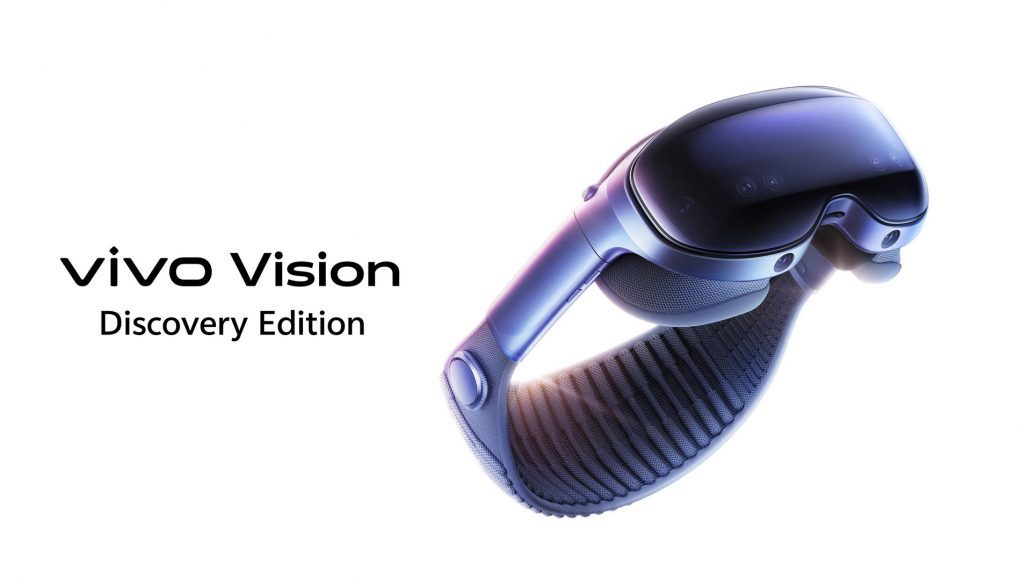
Samsung Project Moohan XR Headset Launch: Revolutionary Mixed Reality Technology Arrives September 29, 2025
Samsung Project Moohan Release Date Confirmed for September 2025
Samsung’s highly anticipated Project Moohan XR headset has officially received its launch confirmation, with industry sources pointing to September 29, 2025, as the pivotal unveiling date. We anticipate this launch to fundamentally reshape the extended reality landscape, positioning Samsung as a formidable competitor in the premium XR market segment.
The South Korean technology giant plans to host a dedicated Samsung Unpacked event specifically for Project Moohan, followed by initial sales availability on October 13, 2025, exclusively in South Korea. This strategic rollout approach demonstrates Samsung’s commitment to perfecting the user experience before global expansion.
Samsung Project Moohan Price Analysis: Competitive Positioning Against Apple Vision Pro
Projected Pricing Strategy
Based on comprehensive market analysis and industry insider reports, we expect Samsung Project Moohan to launch within the $1,790-$2,765 price range. This pricing strategy positions the device strategically between Meta’s consumer-focused Quest 3 ($499.99) and Apple’s premium Vision Pro ($3,499), creating a compelling middle-market opportunity.
Value Proposition Comparison
The projected Samsung XR headset price point offers significant advantages over competitors:
- Cost Efficiency: 40-50% lower than Apple Vision Pro while maintaining premium features
- Enterprise Accessibility: More scalable for business deployments requiring multiple units
- Technology Balance: High-end specifications without extreme premium pricing
- Market Penetration: Broader addressable market compared to ultra-premium alternatives
Samsung Project Moohan Technical Specifications and Hardware Innovation
Core Processing Power
Project Moohan leverages cutting-edge hardware architecture centered around Qualcomm’s Snapdragon XR2+ Gen 2 processor. This advanced chipset delivers unprecedented performance for mixed reality applications, supporting complex computational tasks including real-time environment mapping, object recognition, and seamless AR/VR transitions.
Memory and Performance Optimization
We anticipate Samsung equipping Project Moohan with 16GB of high-speed RAM, ensuring smooth multitasking across demanding XR applications. This substantial memory allocation supports:
- Complex 3D rendering operations
- Multiple simultaneous virtual environments
- Enterprise-grade productivity applications
- Advanced AI processing capabilities
- Seamless content streaming and buffering
Integrated AI Capabilities
Samsung’s integration of Google’s Gemini AI technology represents a significant advancement in XR user interaction. The AI-powered features we expect include:
- Natural language voice commands and responses
- Intelligent object recognition and interaction
- Predictive user interface adaptations
- Contextual information overlays
- Real-time translation and communication assistance
Samsung XR Headset vs Apple Vision Pro: Comprehensive Feature Comparison
Design and Ergonomics
Project Moohan reportedly features a lighter, more streamlined design compared to Apple’s Vision Pro. Samsung’s engineering team has prioritized extended wearing comfort, addressing one of the primary user complaints associated with current-generation mixed reality devices.
Display Technology and Visual Quality
Samsung’s expertise in display manufacturing positions Project Moohan to deliver exceptional visual fidelity. We anticipate implementation of Samsung’s latest OLED display technology, providing:
- Superior color accuracy and contrast ratios
- Reduced motion blur during rapid head movements
- Enhanced text clarity for productivity applications
- Optimized brightness levels for various lighting conditions
Operating System and Software Ecosystem
Project Moohan will launch with Android XR, Google’s specialized operating system for extended reality devices. This platform advantage includes:
- Familiar Android interface adapted for 3D environments
- Seamless integration with Google services and applications
- Developer-friendly SDK for rapid application development
- Cross-platform compatibility with existing Android applications
Enterprise Applications and Business Use Cases for Samsung Project Moohan
Digital Twin Technology Integration
Samsung’s existing partnerships with major South Korean corporations demonstrate proven XR implementation capabilities. Project Moohan builds upon successful deployments including:
Korea Electric Power Corporation Digital Twins: Advanced power grid visualization and maintenance planning through immersive 3D environments that enable engineers to inspect virtual representations of critical infrastructure components.
Korea Water Resources Corporation Virtual Simulations: Comprehensive water management training programs utilizing realistic flood scenarios, dam operations, and environmental impact assessments within controlled virtual environments.
Samsung Medical Center AR Training Programs: Surgical procedure training, patient care simulations, and medical device operation instruction through precise augmented reality overlays and haptic feedback systems.
Industrial Training and Safety Applications
We expect Project Moohan to excel in high-risk industry training scenarios where traditional methods prove insufficient or dangerous. Key applications include:
- Heavy machinery operation training without equipment risks
- Hazardous material handling procedures in safe virtual environments
- Emergency response training with realistic scenario simulations
- Complex assembly process instruction with step-by-step AR guidance
Remote Collaboration and Productivity Enhancement
Samsung’s enterprise ecosystem positioning enables sophisticated workplace collaboration tools:
- Holographic meeting spaces with realistic avatar representations
- Shared virtual workspaces for distributed teams
- 3D design review and modification capabilities
- Real-time document collaboration in immersive environments
Market Competition Analysis: Samsung vs Meta Quest vs Apple Vision Pro
Samsung’s Strategic Advantages
Samsung enters the XR market with several competitive advantages that differentiate Project Moohan from existing solutions:
Manufacturing Expertise: Samsung’s vertical integration across display technology, semiconductors, and consumer electronics provides cost advantages and quality control capabilities unmatched by competitors relying on third-party suppliers.
5G Network Integration: Samsung’s telecommunications infrastructure investments enable optimized XR streaming experiences, cloud computing integration, and reduced latency applications that enhance user experiences.
Global Enterprise Relationships: Established business partnerships across industries provide immediate market access for enterprise XR deployments, reducing sales cycle complexity.
Competitive Positioning Strategy
Project Moohan targets the underserved premium-accessible market segment, avoiding direct competition with Meta’s budget-focused approach while offering more accessible pricing than Apple’s ultra-premium positioning.
Android XR Operating System: Revolutionary Mixed Reality Platform
Google Partnership Benefits
Samsung’s collaboration with Google for Android XR development creates synergistic advantages for both companies and end users:
Unified Development Environment: Developers can leverage existing Android development skills and tools, accelerating application availability and reducing development costs.
Machine Learning Integration: Google’s AI and machine learning capabilities enhance user interactions through predictive behaviors, intelligent content recommendations, and adaptive interface optimization.
Cloud Computing Integration: Seamless connection to Google Cloud services enables complex computational tasks to be processed remotely, reducing local hardware requirements and extending battery life.
Software Ecosystem Development
We anticipate rapid Android XR application ecosystem growth due to:
- Familiar development frameworks reducing barrier to entry
- Existing Google Play Store infrastructure for application distribution
- Cross-platform compatibility encouraging developer adoption
- Enterprise-focused API development for business applications
Samsung Project Moohan Market Impact and Industry Implications
Consumer Market Transformation
Project Moohan’s launch represents a potential inflection point for consumer XR adoption. The device’s positioning between budget and ultra-premium options addresses key market barriers:
Price Accessibility: Reduced cost compared to Apple Vision Pro while maintaining premium features expands potential customer base significantly.
Use Case Diversity: Support for entertainment, productivity, and creative applications appeals to broader consumer segments beyond early adopters and gaming enthusiasts.
Brand Trust: Samsung’s established consumer electronics reputation reduces purchase hesitation compared to newer market entrants.
Enterprise Market Acceleration
Samsung’s enterprise focus positions Project Moohan to accelerate business XR adoption through:
Scalable Deployment Solutions: Pricing and feature sets designed for multi-unit enterprise purchases rather than individual consumer sales.
Integration Capabilities: Compatibility with existing Samsung business solutions and enterprise software ecosystems reduces implementation complexity.
Support Infrastructure: Samsung’s global service and support network provides enterprise customers with necessary technical assistance and maintenance capabilities.
Future XR Technology Trends and Samsung’s Strategic Position
Next-Generation XR Capabilities
Project Moohan establishes Samsung’s foundation for future XR technology advancement:
Spatial Computing Evolution: Advanced environmental mapping and object interaction capabilities position Samsung for next-generation spatial computing applications.
AI-Driven Personalization: Machine learning integration enables increasingly sophisticated user experience customization and predictive interface adaptations.
5G and Edge Computing Integration: Samsung’s telecommunications expertise enables optimized streaming experiences and cloud-based processing capabilities.
Long-Term Market Strategy
Samsung’s XR market entry represents a comprehensive ecosystem approach rather than standalone product development:
Vertical Integration Benefits: Control over key components from displays to processors enables rapid innovation cycles and cost optimization.
Cross-Device Ecosystem: Integration with Samsung smartphones, tablets, and smart home devices creates comprehensive user experiences spanning multiple touchpoints.
Global Market Expansion: Proven international distribution and marketing capabilities position Samsung for rapid global XR market penetration.
Samsung Project Moohan: Technical Architecture and Innovation Framework
graph TD
    A[Samsung Project Moohan XR Headset] --> B[Hardware Components]
    A --> C[Software Platform]
    A --> D[Enterprise Integration]
    A --> E[Consumer Applications]

    B --> F[Snapdragon XR2+ Gen 2 Processor]
    B --> G[16GB RAM Configuration]
    B --> H[Samsung OLED Display Technology]
    B --> I[Advanced Sensor Array]

    C --> J[Android XR Operating System]
    C --> K[Google Gemini AI Integration]
    C --> L[Developer SDK and Tools]

    D --> M[Digital Twin Applications]
    D --> N[Virtual Training Simulations]
    D --> O[Remote Collaboration Tools]
    D --> P[Industrial Safety Training]
Conclusion: Samsung Project Moohan’s Revolutionary Impact on XR Industry
Samsung Project Moohan represents more than incremental XR technology advancement—it signifies a fundamental shift toward mainstream mixed reality adoption. The September 29, 2025, launch date marks a pivotal moment when enterprise-grade XR capabilities become accessible to broader market segments.
We anticipate Project Moohan’s success will accelerate industry-wide XR adoption through competitive pricing, proven enterprise integration capabilities, and comprehensive software ecosystem development. Samsung’s strategic positioning between budget consumer devices and ultra-premium alternatives addresses critical market gaps that have previously limited XR technology penetration.
The collaboration between Samsung, Google, and Qualcomm demonstrates the technology industry’s commitment to XR as a transformative computing platform rather than niche entertainment device. Project Moohan’s enterprise-focused capabilities, combined with consumer accessibility, position the device to achieve the mainstream adoption that previous XR devices have struggled to accomplish.
Organizations evaluating XR technology integration should carefully monitor Project Moohan’s capabilities and market reception, as Samsung’s entry represents a maturation point for mixed reality technology that could fundamentally transform workplace collaboration, training methodologies, and consumer entertainment experiences.